Planning · 3 min read · 5 October 2026
What to pack for Kashmir, by season
Layers, the right shoes and a few things people always forget — a season-by-season packing list for the valley and the mountains above it.
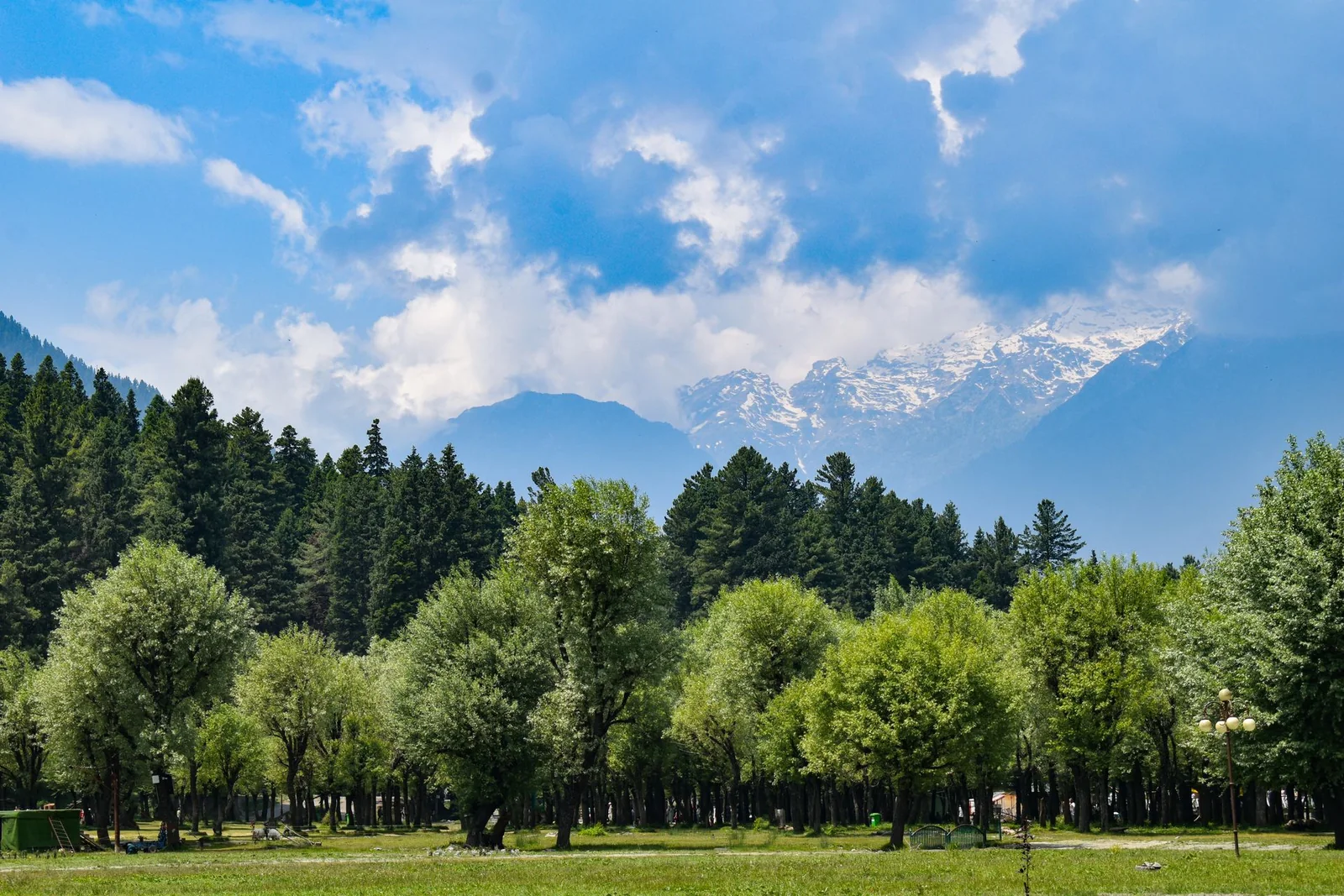
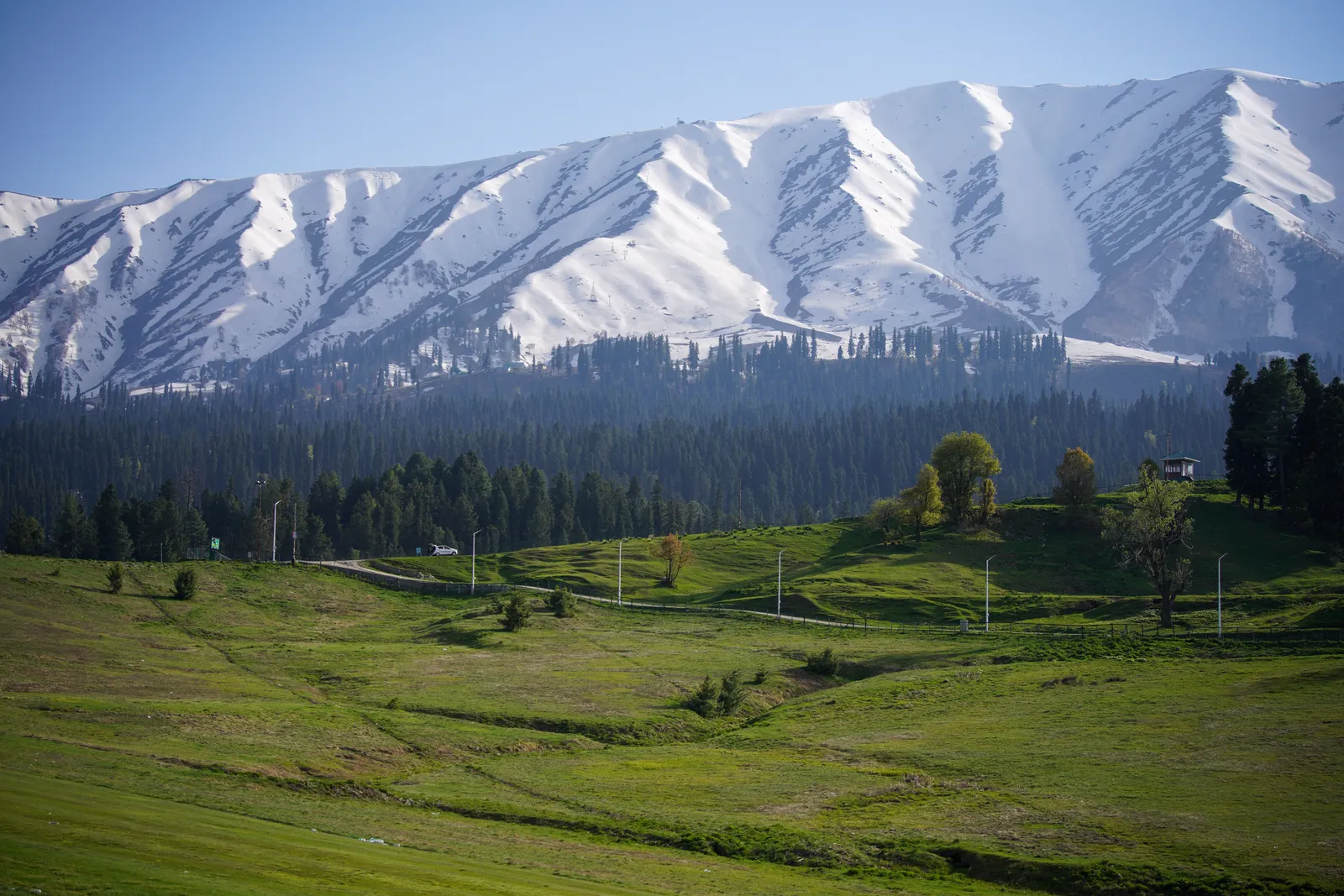
Packing for Kashmir is less about the season than about the altitude. Srinagar sits at 1,585 metres; Gulmarg at 2,650; the top of the gondola at nearly 4,000. On a single day in May you can be in shirtsleeves on Dal Lake and in snow at Apharwat. The answer is always the same: layers, good shoes, and a few things people forget.
The essentials, any time of year
- Layers rather than one heavy coat: a base layer, a warm mid-layer and a wind- or waterproof shell.
- Comfortable walking shoes that slip on and off easily. You will remove them at shrines, mosques and on every houseboat.
- Sunglasses, sunscreen and a hat. The sun is strong at altitude, and snow glare is fierce.
- Original photo ID for every traveller: it is checked at hotels, at the gondola and at checkposts on the way to the border valleys.
- A postpaid SIM from an Indian network if you need your phone. Prepaid connections from outside Jammu & Kashmir do not work in the valley.
- Cash. Cards work in Srinagar's hotels and larger shops, but ATMs are scarce in the remote valleys.
- Modest clothing for shrines and the old city: shoulders and knees covered, and a scarf for women visiting Hazratbal.
- A power bank and any medication you need, with a copy of prescriptions.
Spring (March to May)
Days are mild and nights cold, with showers and the occasional chilly spell. Snow remains in Gulmarg into April.
- A light down jacket or warm fleece for mornings and evenings.
- A waterproof jacket and quick-drying trousers.
- Shoes with some grip for wet garden paths and snow at the higher meadows.
- A light scarf and layers you can add and remove through the day.
Summer (June to August)
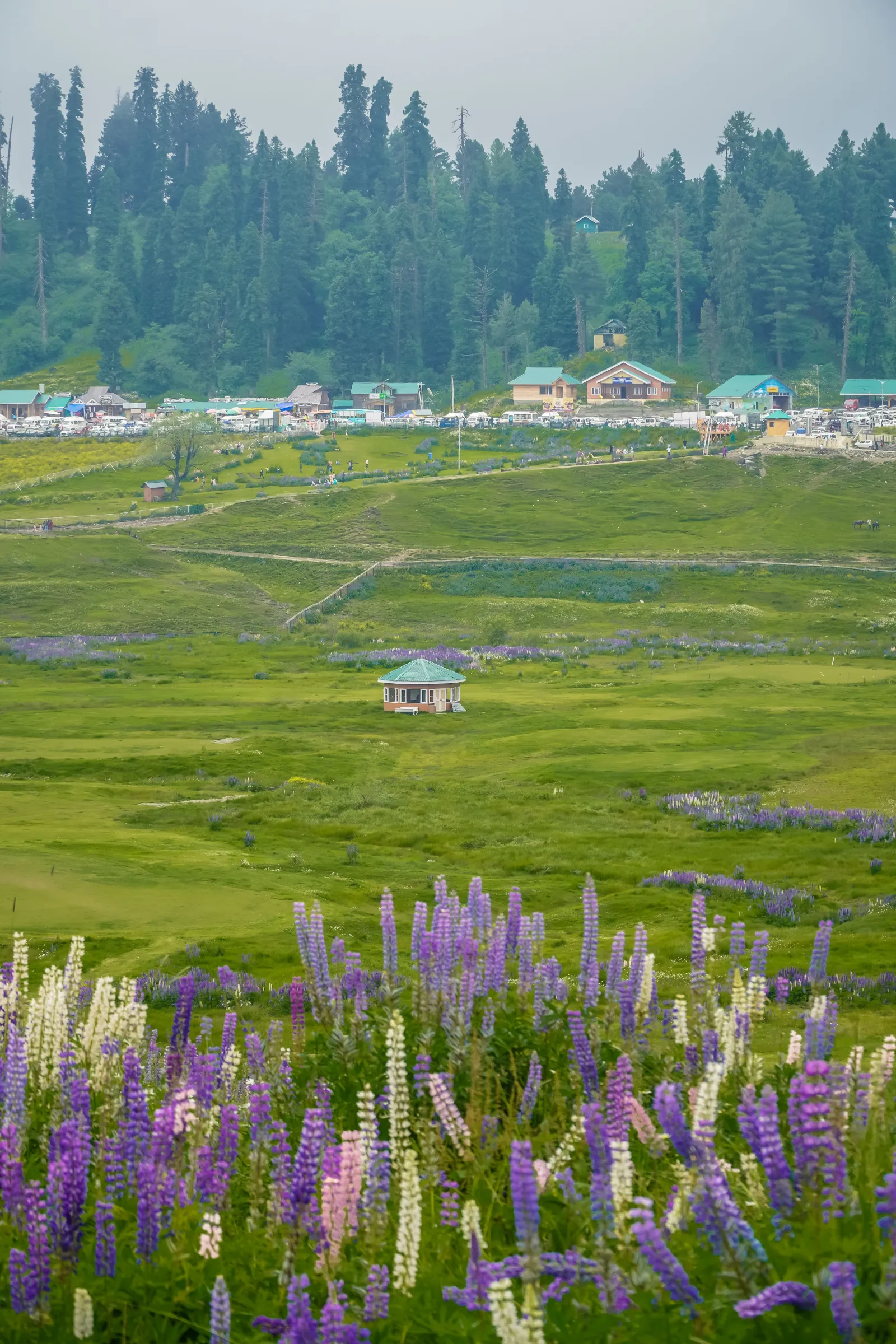
Srinagar can reach the low thirties by day, but the meadows are cool and evenings in Gulmarg, Pahalgam and Sonamarg can be cold.
- Breathable cotton or linen for the city.
- A fleece or light jacket for evenings and higher places.
- A rain shell — afternoon showers are common in July and August.
- Proper walking boots if you plan to hike to Lidderwat, Thajiwas or beyond.
- For multi-day treks, your trek partner will send a full kit list; we pass it on well in advance.
Autumn (September to November)
Clear skies and crisp air, but the temperature falls steadily. By November mornings are close to freezing.
- A warm jacket — light down is ideal — and a fleece.
- Thermal base layers from late October.
- Gloves and a warm hat for early mornings in the gardens and the high valleys.
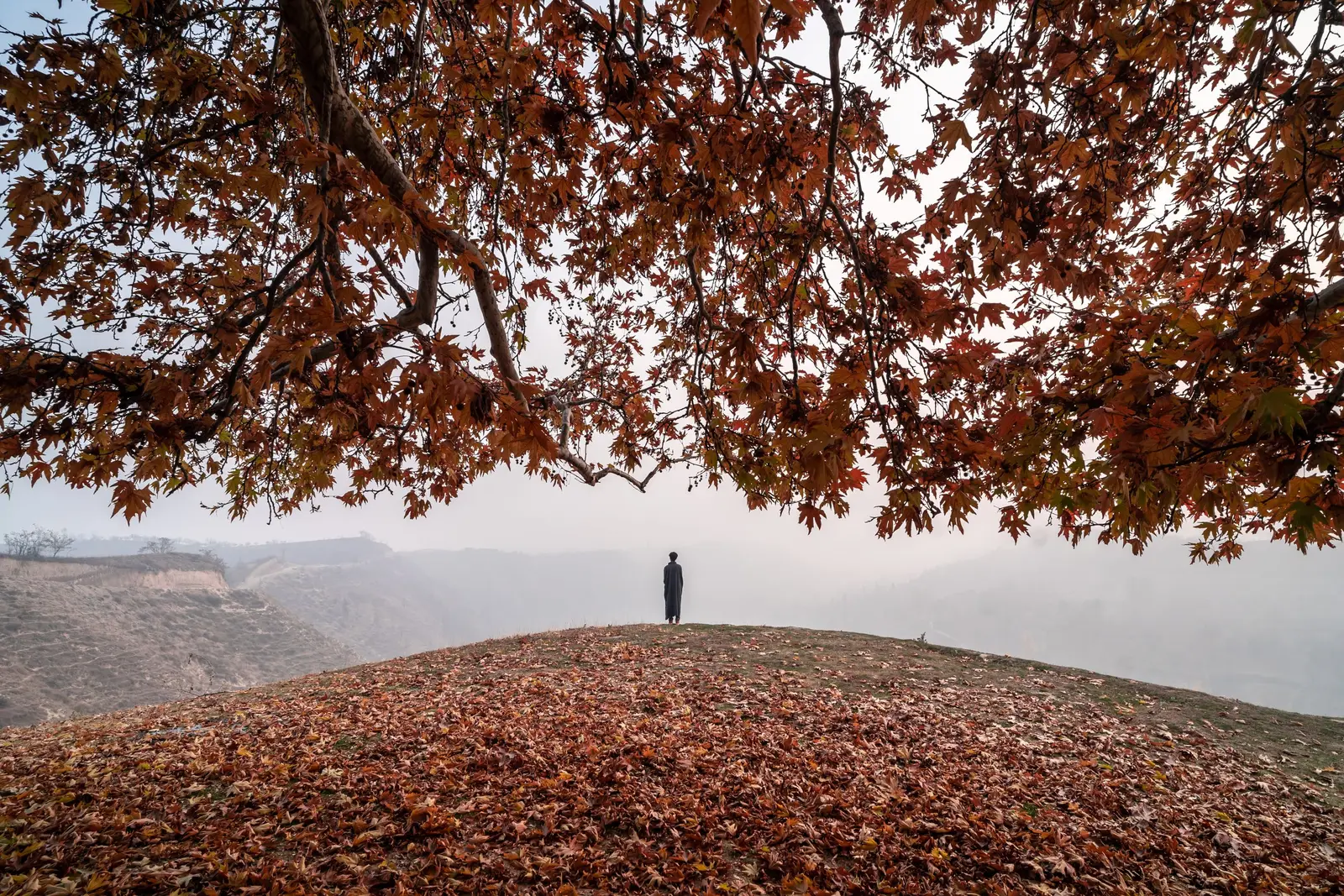
- A camera with plenty of space: this is chinar season.
Winter (December to February)
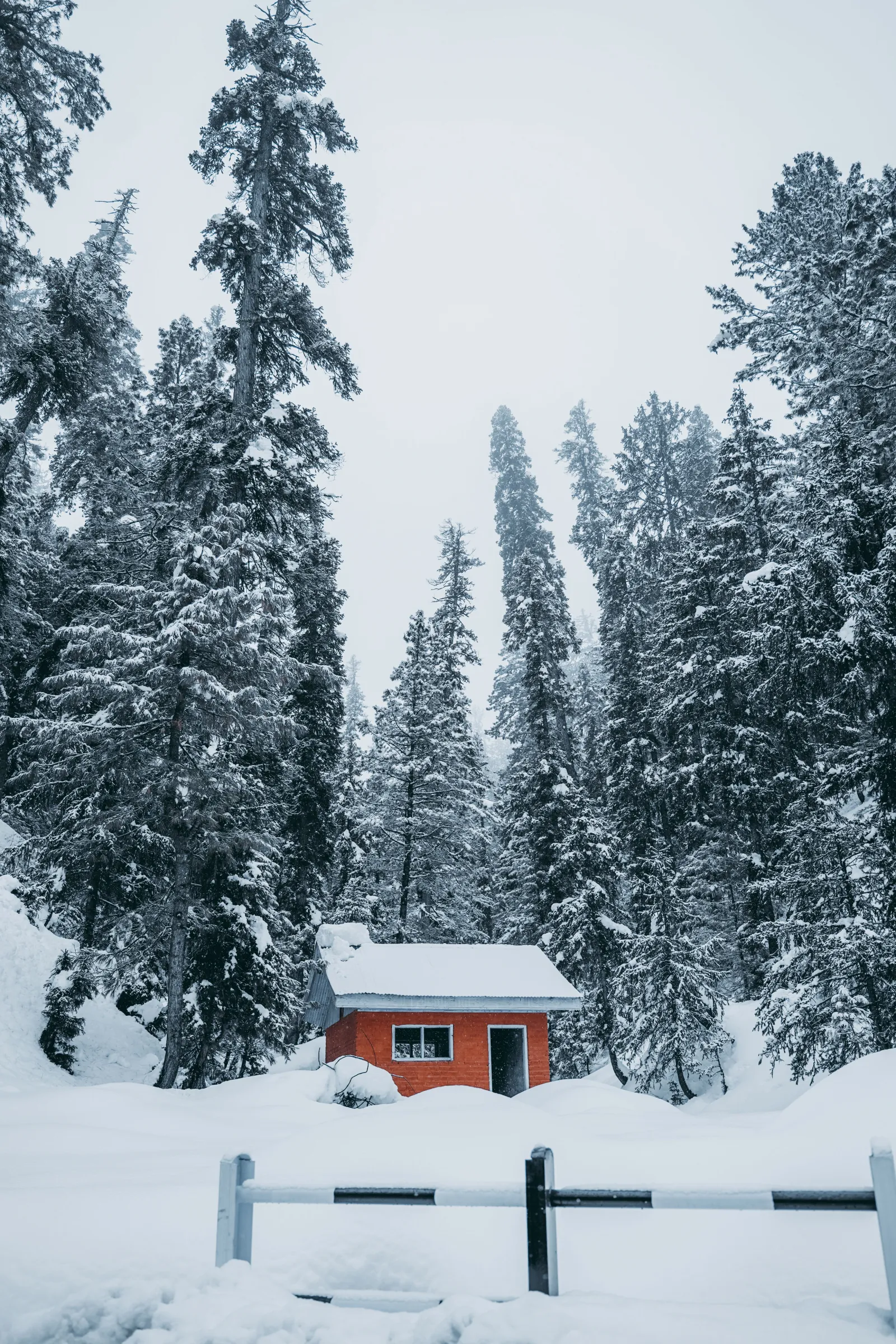
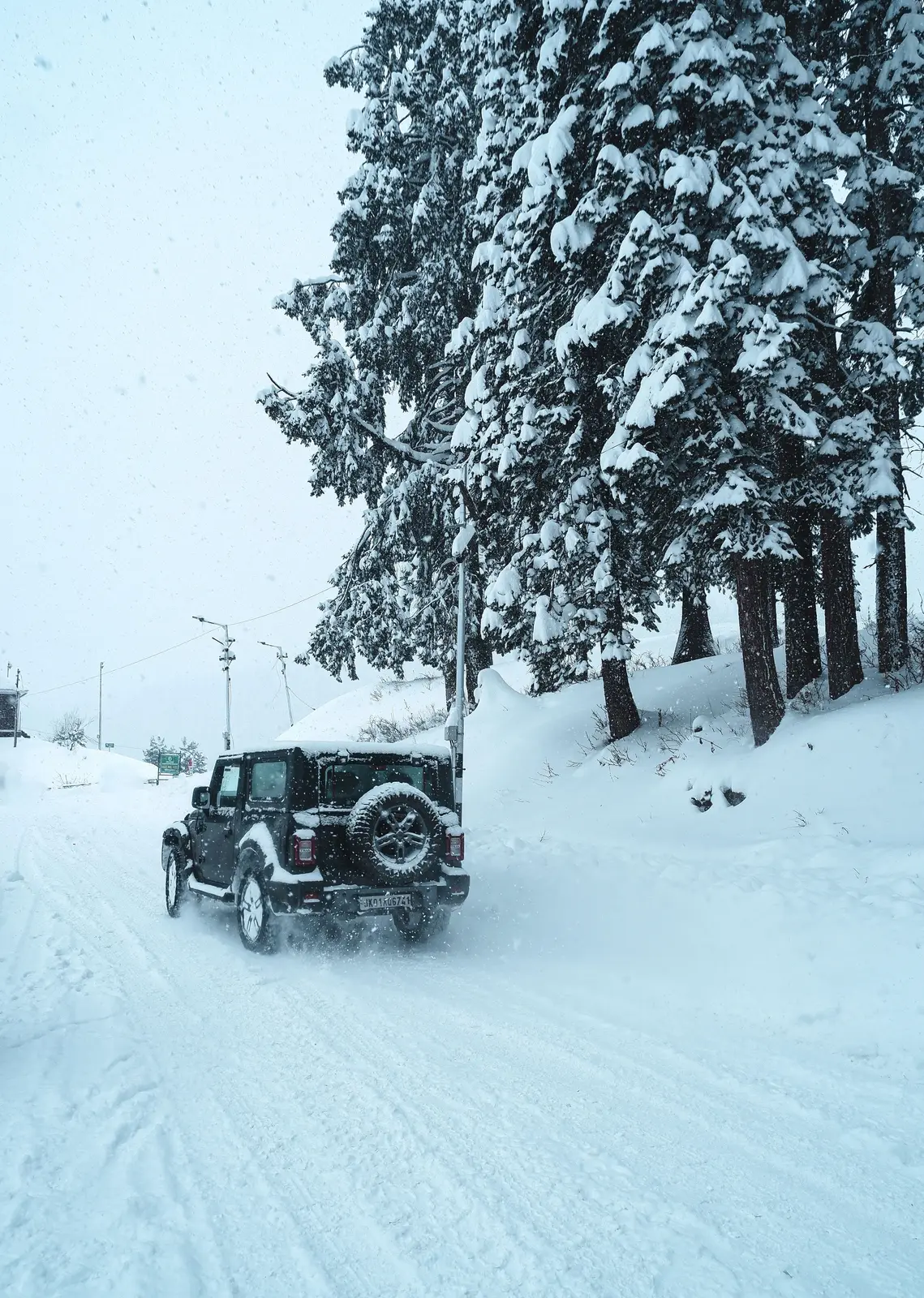
Properly cold. Srinagar nights fall well below freezing during Chillai Kalan, and Gulmarg is deep in snow.
- Thermal base layers, top and bottom — two sets.
- A warm down jacket, waterproof trousers, gloves and a woollen hat.
- Waterproof snow boots with good grip. You can hire boots and coats in Gulmarg and Tangmarg if you would rather not carry them.
- Thick socks, lip balm and a rich moisturiser — the air is very dry.
- A small torch, and fully charged devices: winter power cuts are common.
What to leave at home
- A drone. Flying one needs permission across much of Kashmir, and carrying one can lead to awkward questions.
- Too many warm clothes. A pheran, the long Kashmiri woollen cloak, is warmer than most jackets and a far better souvenir. Buy one in Srinagar.
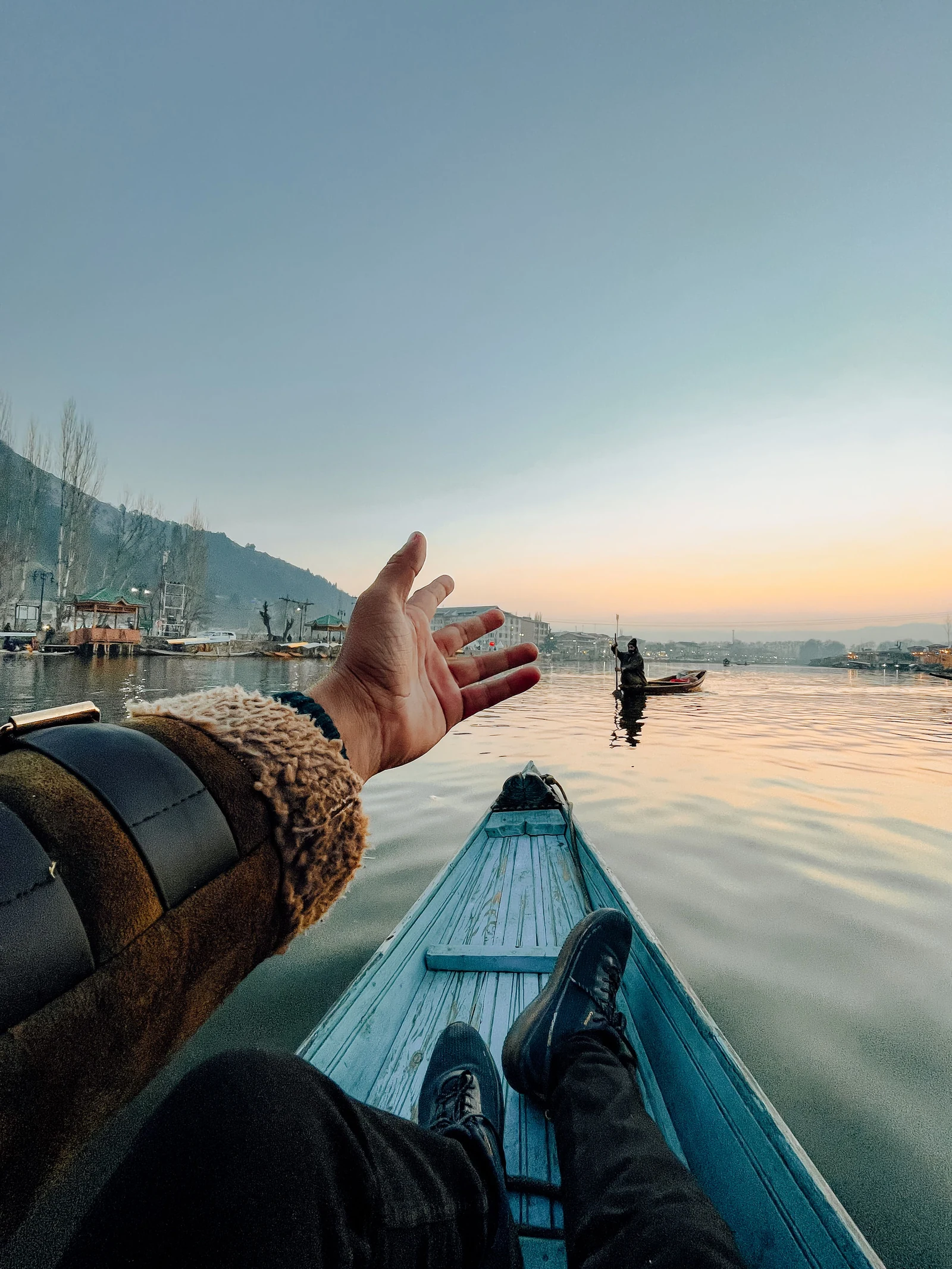
- Heavy luggage. Houseboats are reached by shikara and some homestays by footpath. A soft bag is easier than a large hard case.
Read more on the best time to visit and what is open in winter. When you travel with us, we send a packing list for your exact route and month before you leave — just tell us your dates.
Planning a journey like this?
Plan your journey